
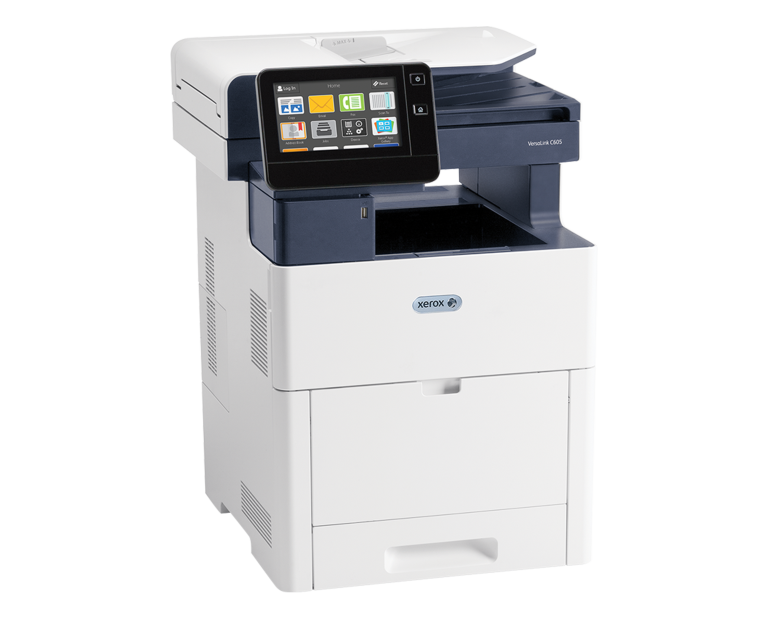

For creative agencies, a high-speed production copier lease can support the physical side of fast client deliverables by giving teams reliable, high-volume production equipment without the large upfront cost of purchasing a production system. However, a high-speed production copier lease is only one part of a larger production strategy, because agencies also need color consistency, fast asset handling, collaborative workflows, and dependable output when deadlines are tight. When a high-speed production copier lease is paired with a well-designed digital and physical production workflow, agencies can move from fragmented processes to a more scalable system that protects creative quality while improving turnaround times.
A modern workflow connects people, software, storage, review tools, and production equipment into one coordinated process. This approach allows editors and colorists to work in parallel, reduces unnecessary exports, and gives account teams a clearer way to manage approvals. For agencies producing both digital and printed client deliverables, that integration can turn production speed into a genuine competitive advantage.
Streamlining Color Management From Bottleneck to Advantage
Traditional post-production often follows a slow roundtrip: Edit → Lock → Export → Color → Re-import → Review. Each handoff creates another opportunity for file errors, color inconsistencies, duplicate exports, and missed deadlines. A better pipeline allows color decisions to begin earlier instead of treating color correction as an isolated final-stage task.
Color-managed environments such as ACES or DaVinci YRGB Color Managed can give creative teams a more consistent foundation from the beginning of a project. Instead of forcing editors and colorists to repeatedly compensate for mismatched color spaces, the workflow establishes a defined color pipeline that helps preserve predictable results across compatible displays and delivery formats. This is especially useful when one campaign must eventually become a video, social asset, presentation, proof, or printed marketing piece.
Agency-specific look libraries can provide another major efficiency gain. Custom LUTs, approved color presets, brand references, and project templates can establish a reliable starting point before deadlines become urgent. As a result, fast printing solutions for advertising agencies become more useful because the physical production stage receives files that are already organized, consistent, and closer to their intended final appearance.
How to Upgrade Production Printing Workflow for Creative Agencies
A production copier or printer should match the agency’s real workload rather than simply being the fastest machine available. A high-speed system may be appropriate when an agency produces frequent brochures, proposals, direct-mail pieces, portfolios, proofs, presentation materials, or other large batches, while a standard multifunction printer may remain sufficient for everyday administrative documents. Therefore, how to upgrade production printing workflow for creative agencies should begin with workflow requirements, not equipment specifications.
Production Workflow Audit
| Workflow question | What to evaluate |
| Monthly volume | Average and peak pages |
| Turnaround | Hours or days from approval to delivery |
| Color | Consistency across digital and printed pieces |
| Finishing | Folding, stapling, trimming, binding |
| Downtime | Missed deadlines caused by equipment |
| File preparation | Repetitive manual production tasks |
For agencies considering how to upgrade production printing workflow for creative agencies, the physical production environment should also be connected to the digital workflow. Automated print queues, standardized file preparation, reliable finishing, network access, and predictable service can reduce the number of manual steps between approved artwork and finished deliverables. With the right configuration, fast printing solutions for advertising agencies can help creative teams spend less time managing production and more time developing client work.
Creating Frictionless Client Deliverables and Feedback Loops
The familiar “v12_FINAL_final.mp4” problem is usually a workflow problem, not a creativity problem. Email attachments and scattered comments can make it difficult to determine which version is current, which feedback has been addressed, and whether a client has approved the correct file. Centralized review platforms with timecode-accurate comments create a clearer approval trail and reduce unnecessary revision cycles.
Multi-platform campaigns add another layer of complexity because one approved creative may require several versions. A modern pipeline can prepare deliverables for 16:9, 9:16, and 1:1 formats while preserving appropriate framing, graphics, captions, and quality settings for each destination. Likewise, standardized production templates can help agencies move approved campaign assets into printed brochures, presentation materials, proofs, and promotional pieces with fewer manual adjustments.
Color consistency also deserves attention at the delivery stage. Differences between displays, applications, color profiles, and video playback environments can sometimes make an approved file appear different to a client, including familiar complaints about perceived gamma or brightness shifts in certain playback environments. Clear color-management standards, calibrated workflows, controlled exports, and client-facing viewing guidance can reduce confusion before it becomes another revision cycle.
Building a Scalable Production System Around Speed and Volume
A high-speed production copier lease can be valuable when an agency needs predictable access to production equipment while preserving capital for creative technology, staffing, and other business priorities. However, the monthly lease payment should never be viewed in isolation because service coverage, print volume, click charges, finishing equipment, supplies, downtime, and lease terms can all influence the actual cost of production. Agencies should compare the complete workflow cost rather than choosing a machine solely because it has a low monthly payment.
Agency Audit Checklist
- Are editors and colorists waiting on each other, or working in parallel?
- Is client feedback consolidated on a single timecoded timeline?
- Are color profiles standardized before editing begins?
- Are project files organized using consistent naming conventions?
- Can approved assets be rendered in multiple formats efficiently?
- Is production equipment sized for actual and projected volume?
- Are service response times documented?
- Are print, finishing, and delivery steps measured for delays?
Before signing an agreement, agencies should evaluate the equipment’s recommended monthly volume, print speed, media handling, color capabilities, finishing options, service response, and upgrade provisions. They should also determine whether maintenance and supplies are included, how overage charges work, what happens when the lease ends, and whether early termination creates additional obligations. This makes a high-speed production copier lease a workflow decision as much as a financing decision.
For agencies that need fast printing solutions for advertising agencies, production equipment should support both everyday output and deadline-driven campaigns. A system that handles high-volume color work, professional finishing, reliable paper handling, and repeatable output can reduce dependence on outside production vendors for certain jobs. In turn, that can give agencies greater control over turnaround times and make how to upgrade production printing workflow for creative agencies a practical business strategy rather than simply a technology project.
Turn Production Speed Into an Agency Advantage
Creative agencies should not have to choose between polished work and fast client delivery. By establishing a color-managed pipeline, improving asset handling, centralizing feedback, automating repetitive tasks, and matching production equipment to real print volume, agencies can reduce friction without cutting creative corners. A thoughtful high-speed production copier lease can support that transformation when the equipment, service agreement, and workflow are aligned with the agency’s actual production needs.
Clear Choice Technical Services can help businesses evaluate copier leasing options based on workload, budget, speed, service requirements, and production goals. Its team can help identify equipment and support options designed to save time while providing dependable output for demanding client projects. For agencies ready to improve production capacity without sacrificing quality, contact Clear Choice Technical Services at (302) 212-0810 for a free demo and discuss a production solution built around the agency’s workflow.